The Vivara Content Team
Rio Celeste Hike Costa Rica: Ultimate Guide 2026
Rio Celeste Hike Costa Rica: Ultimate Guide 2026

You’ve probably seen Río Celeste the same way most travelers do now. A ribbon of surreal blue water on Instagram, a waterfall that looks edited, and a dozen captions suggesting it’s an easy stop between other Costa Rica highlights.
That framing is where many visits go wrong.
The Rio Celeste hike in Costa Rica isn’t a casual roadside photo stop. It’s a structured national park visit with regulated entry, a moderate trail, and a real planning component. If you treat it like a quick detour, you’re more likely to arrive at the wrong time, underestimate the stair section, or leave feeling you rushed one of the country’s most distinctive natural sights.
For the right traveler, though, Río Celeste delivers something better than a postcard moment. It gives you a half-day immersion in rainforest, volcanic geology, shifting river color, and one of those places that feels improbable even when you’re standing in it.
The Allure of the Blue River
You leave a quiet, slow morning in the Southern Zone, trade the coast for the northern rainforest, and reach Río Celeste to find that the reward is not one waterfall photo. The day works best when you treat it as a full experience with a clear visual payoff, not a quick stop squeezed between other plans.
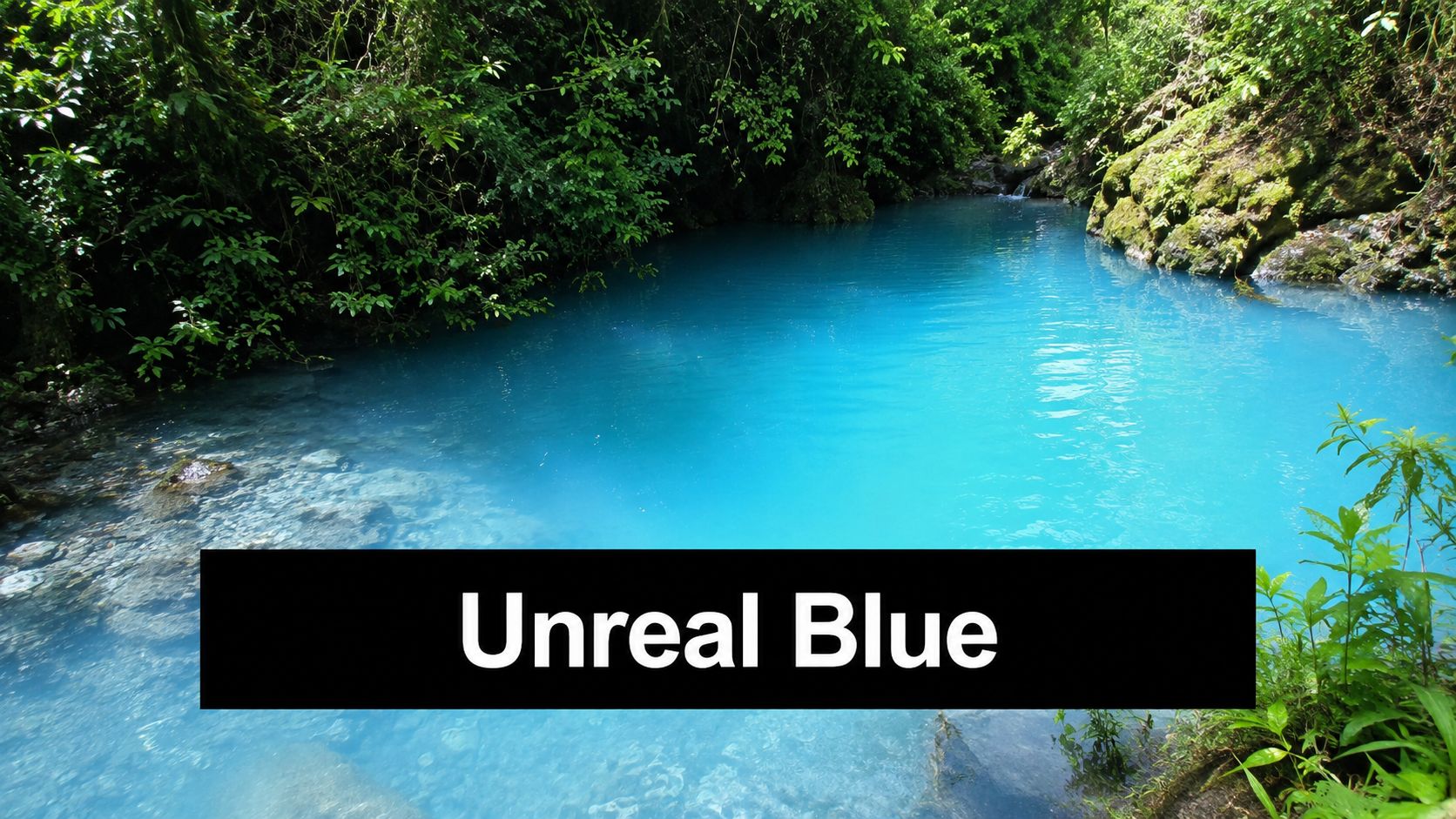
Inside Tenorio Volcano National Park, the appeal builds in stages. The trail moves through dense forest, the river comes in and out of view, and the color shows itself gradually. On a good day, the water reads as milky turquoise rather than clear blue, with a mineral tone that looks strikingly different from Costa Rica’s usual rivers.
RemoveUploadDownloadRegenerateAsk AI
More than a photo stop
Río Celeste stays on well-built Costa Rica itineraries because it offers more than a viewpoint. The park is organized, entry is controlled, and the trail gives the river time to register before you reach the headline sights. That pacing is part of why the visit lands so well.
Trail descriptions vary by route choice and how far visitors continue, but the practical takeaway is simple. This is a real hike with uneven ground, humidity, and a stair section that asks for some effort. The official Tenorio Volcano National Park visitor information from SINAC is a better reference point than social posts if you want to understand the park setup before you go.
What makes Río Celeste memorable is not only the color. It is the contrast between a carefully managed park visit and a setting that still feels wild.
For travelers based at VIVARA, that contrast is part of the appeal. A restorative stay in the Southern Zone can still include one signature northern adventure if the day is planned with intention. Guests who already enjoy quieter, guided outdoor experiences such as nature walks in Costa Rica often find Río Celeste especially satisfying because it adds a stronger geological and visual payoff without shifting the whole trip into expedition mode.
Why planning changes the experience
I tell clients to judge Río Celeste by rhythm, not only by distance. Early departure, realistic drive time, proper footwear, and enough margin for breaks make the difference between a rewarding outing and a rushed one.
Handled well, this becomes a standout day within a slower, more restorative Costa Rica itinerary. It gives you rainforest, volcanic chemistry, and one of the country’s most unusual river systems, then lets you return south to comfort instead of building the whole trip around the north.
Is the Rio Celeste Hike Right for You
The simplest answer is this. It’s right for travelers who are comfortable walking on uneven surfaces and managing stairs, but it isn’t ideal for anyone expecting a flat, effortless waterfall stop.
That distinction matters because “moderate” can mean very different things depending on the traveler.
What moderate means here
The trail is often described as moderate to strenuous, but the difficulty is unevenly distributed. Much of the route to the main viewpoints is relatively flat, and the biggest challenge is the steep staircase down to the waterfall base. Existing guidance also notes that groups can choose how much of the 2.8 km to 5.1 km trail to complete, which makes the park workable for mixed abilities, as explained in this guide to hiking Río Celeste for different fitness levels.
That structure is helpful for travelers who don’t all move at the same pace.
For guests who enjoy softer outdoor experiences such as guided nature walks in Costa Rica, Río Celeste can still fit. The key is deciding in advance whether your group wants the full trail, a partial out-and-back, or only the waterfall section with plenty of breaks.
Best fit and poor fit
Río Celeste tends to work well for:
Active couples: You want a scenic park hike with a strong visual payoff, but not an expedition-level day.
Families with older children: Kids who already enjoy walking trails and can handle stairs usually do better than very young children expecting a quick attraction.
Multi-generational groups: This can work if everyone accepts that not all members need to do every segment.
It’s less suitable for:
Travelers with significant mobility limitations: The stairs are the obvious issue, but slick surfaces can be equally limiting.
Anyone with knee trouble that flares on descents: The return from the waterfall staircase can be the most uncomfortable part of the visit.
Travelers trying to squeeze it into a packed transfer day: The hike asks for time, pacing, and patience.
Practical rule: If one or two people in your group dislike steep stairs, the day can still work. Just set the expectation that the group may split briefly at the waterfall section or choose a shorter turnaround point.
A realistic self-check
Ask three questions before booking the day:
Can your group comfortably handle a stair-heavy segment?
Will everyone enjoy a protected-park hike, not just a viewpoint stop?
Are you willing to let the pace be set by the slowest walker?
If the answer is yes, Río Celeste is often a strong choice. If not, a different waterfall outing may suit your travel style better.
Planning Your Visit A Complete Logistics Guide
A Río Celeste day starts long before the trailhead. Guests based at VIVARA in the Southern Zone usually leave before breakfast, settle into the drive, and treat the outing as the one ambitious movement in an otherwise restorative itinerary. That approach works. Trying to fit Río Celeste into a transfer day usually does not.
The main planning decision is not whether the hike is worth doing. It is whether your trip has enough breathing room to give this park the time it asks for. From northern bases, the logistics are lighter. From the south, this is a full-day commitment with a clear trade-off. You get one of Costa Rica’s most striking river hikes without giving up a Southern Zone stay, but you need to plan the day with discipline.
Entry rules shape the day
Tenorio Volcano National Park operates on fixed hours and controlled access. As noted earlier, the park limits how many visitors can be inside at once and caps total daily entry. The trail also has a firm last-entry cutoff in the afternoon.
That structure changes your strategy. Casual timing works poorly here. An early start gives you a better margin for the drive, parking, ticket checks, weather shifts, and a more measured pace on the trail.
Río Celeste Hike At-a-Glance
Attribute | Details |
|---|---|
Park setting | Tenorio Volcano National Park |
Entry controls | Regulated access with visitor caps |
Operating hours | Fixed daily opening hours |
Last trail entrance | Afternoon cutoff applies |
Visit style | Best treated as a planned park outing, or a full-day excursion if coming from farther afield |
The Southern Zone trade-off
For travelers staying near the park, Río Celeste can feel like a straightforward morning hike. For guests coming from VIVARA, it works best as a signature day trip woven into a longer, quieter journey. That distinction matters.
I usually advise clients to protect the day on both sides. Do not stack it against another demanding excursion. Do not pair it with hotel changes. Keep dinner plans flexible. Río Celeste is much more enjoyable when nobody is watching the clock.
If your trip design favors active mornings and slow afternoons, this can be an excellent fit. If your style is to keep each day loose and spontaneous, choose one of the waterfall hikes in Costa Rica closer to your base instead.
What helps the day run well
A few choices make a noticeable difference:
Leave early enough to absorb delays. Road conditions, weather, and entrance procedures all add time.
Carry what you need for wet conditions. Mud and slick sections are part of the experience in this part of the country.
Set group expectations before arrival. Decide in advance how your party will handle pacing, rest stops, and the waterfall stairs.
Keep the evening light. The day is more satisfying when you can return, reset, and let the excursion stand on its own.
A few patterns tend to disappoint:
Late departures with a tight return deadline
Treating the hike as a quick roadside stop
Assuming the trail time on paper reflects the full door-to-door commitment
Building the day around the fastest walker in the group
Budget more time than the mileage suggests
Río Celeste often looks manageable on a map, and the trail itself is not unusually long. The time drain comes from the full sequence: arrival, entry, walking, waiting at narrower sections, the staircase detour to the waterfall, photo stops, and the return.
That is why this hike works so well as part of a curated Southern Zone itinerary. VIVARA gives travelers a restorative base in the south, and Río Celeste becomes the standout northbound excursion rather than a rushed item on a crowded checklist. Done that way, the day feels intentional instead of overextended.
Navigating the Trail What to Expect at Each Landmark
This trail is easiest to enjoy when you know the landmarks in sequence. That way, you’re not wondering whether the best part is behind you or still ahead.
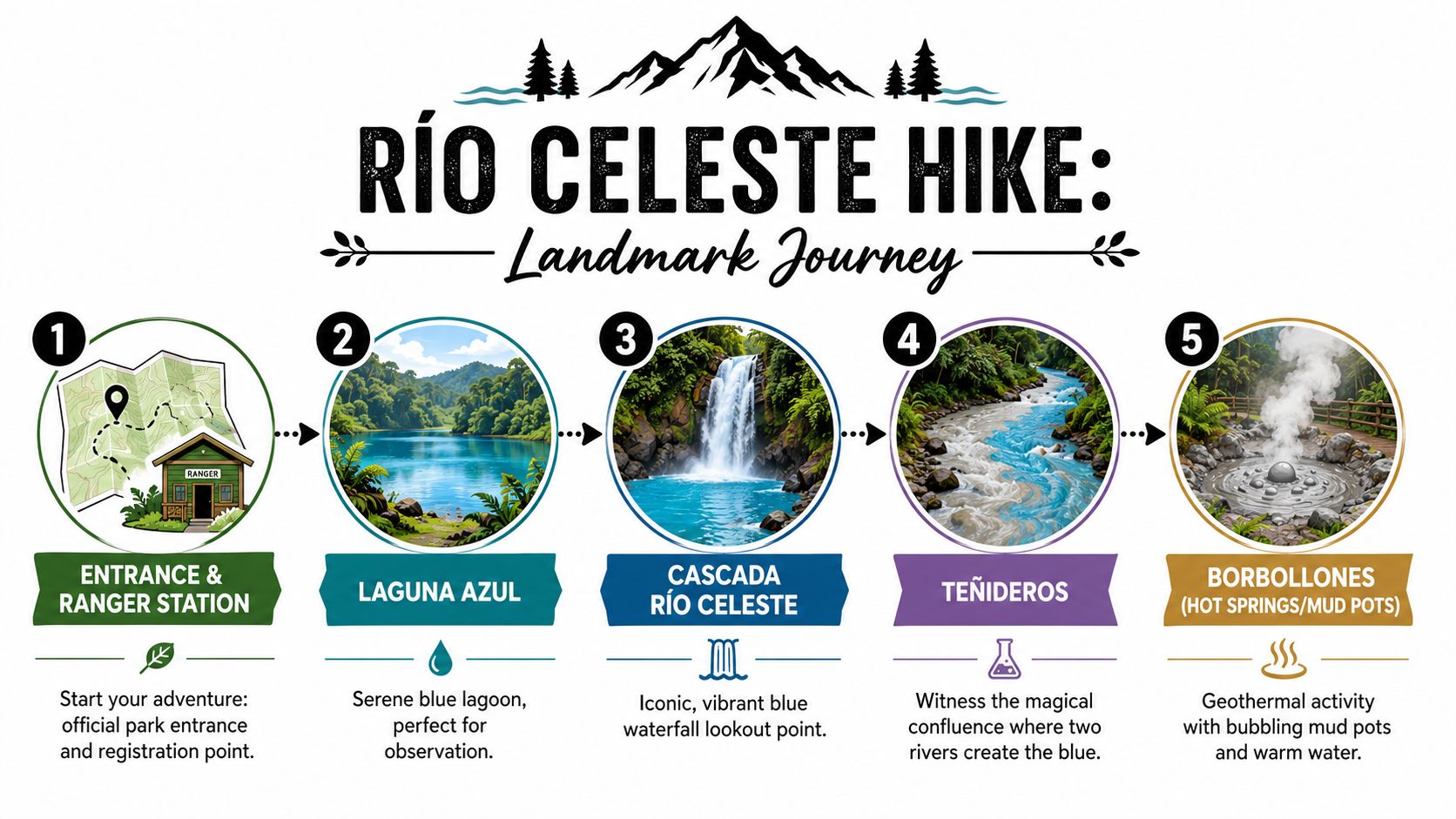
One respected guide describes the core route as a 6 km round trip that usually takes about 3 to 4 hours, while a shorter waterfall-focused option is about 3.2 km round trip in roughly 2 hours. It also identifies the trail’s five headline features as the waterfall, viewpoint, blue lagoon, boiling springs, and the Teñideros confluence, in this walkthrough of the Río Celeste trail and landmarks.
RemoveUploadDownloadRegenerateAsk AI
Entrance to waterfall section
The opening stretch lulls many visitors into thinking the whole route will feel easy. Much of the trail includes mixed surfaces such as concrete, gravel, and natural dirt. Then comes the waterfall access point, which is the route’s main physical bottleneck.
Multiple visitor guides describe the descent to the base as roughly 250 to 253 steep steps, and one guide also notes mixed surfaces and the need for traction-focused footwear in this practical breakdown of what the Río Celeste trail feels like underfoot.
The waterfall itself is the emotional centerpiece for many people. The color, the surrounding forest, and the sound all land at once. The return up those stairs is what catches people off guard.
For travelers who already enjoy Costa Rica waterfall hikes, this section will feel familiar in one sense and more concentrated in another. The effort is compressed into a short segment rather than spread gently across the whole route.
The viewpoints beyond the falls
After the waterfall, the trail becomes more interesting for travelers who like the full story of a natural environment, not just the signature photo. Here, Río Celeste starts to feel like a complete park experience rather than a single-objective outing.
The Mirador gives context. The Laguna Azul slows the pace and invites more observation than spectacle. The Borbollones area brings geothermal energy into the experience through bubbling activity and changing smells. Then Los Teñideros gives you the moment many travelers remember most, where the river’s character becomes easier to understand visually.
If your group has enough energy, don’t stop at the waterfall unless time or mobility requires it. The fuller trail gives Río Celeste its logic.
How to pace the route
The smartest pacing strategy is simple:
Start conservatively: Don’t burn energy walking too fast on the opening section.
Take the stairs slowly: Especially if conditions are damp.
Decide at the waterfall: Reassess whether everyone wants the longer continuation.
Leave room for stops: This hike invites pausing more than pushing.
Travelers who rush Río Celeste often remember the congestion and the climb. Travelers who pace it well remember the river.
Timing Your Trip Seasonal Advice and Weather
The biggest question I hear isn’t whether Río Celeste is beautiful. It’s whether it’s still worth doing when the forecast looks messy.
That’s the right question, because weather affects this hike more visibly than many Costa Rica outings.
RemoveUploadDownloadRegenerateAsk AI
What rain actually changes
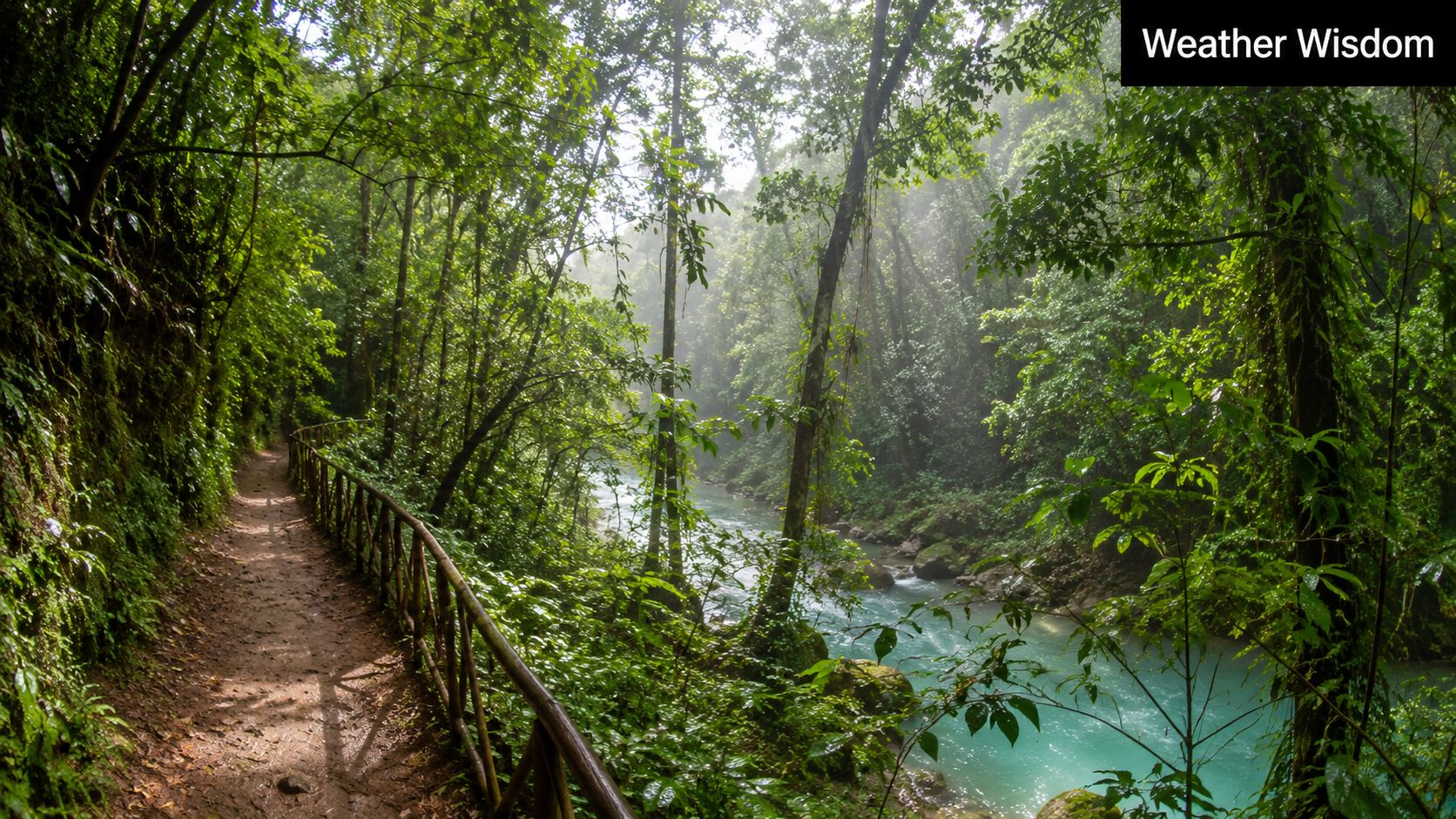
A commonly overlooked point is that heavy rain can dilute the minerals that create the river’s iconic blue appearance, turning the water brownish. Available visitor guidance also notes that the color often returns within hours after rain stops, but a prolonged downpour may mean you won’t see the classic celeste hue, as outlined in this advice on whether Río Celeste is worth visiting after rain.
That creates a more useful decision framework than the usual “dry season good, rainy season bad.”
A practical go or no-go framework
Go ahead with the hike if:
Rain is light or intermittent: You may still get satisfying color, especially if the weather breaks.
Your group values the forest and park experience as much as the color: The outing can still be rewarding.
You have schedule flexibility: That gives you room to shift the visit by a few hours or a day.
Think twice if:
There’s been prolonged heavy rain
Your entire reason for going is the vivid blue water
Your group is uneasy on muddy surfaces and stairs
A short visual can help set expectations before you commit.
RemoveOpenAsk AI
The best mindset in green season
Green season travelers often make one of two mistakes. They either avoid Río Celeste entirely, or they go with rigid expectations that every photo should match peak-condition images.
The better approach is to treat weather as part of the selection process. If the forecast is unstable but not extreme, the hike can still be worthwhile. If the rain is sustained and your schedule allows alternatives, that’s the moment to pivot without regret.
Río Celeste is worth chasing when the weather gives you a fair chance. It’s not worth forcing when the only acceptable outcome is a perfect shade of blue.
Pairing Your Hike with a VIVARA Retreat
Río Celeste makes the most sense in a broader Costa Rica itinerary when it serves as the adventurous counterpoint to a slower base. That’s especially true for travelers who want both stimulation and recovery in the same trip.
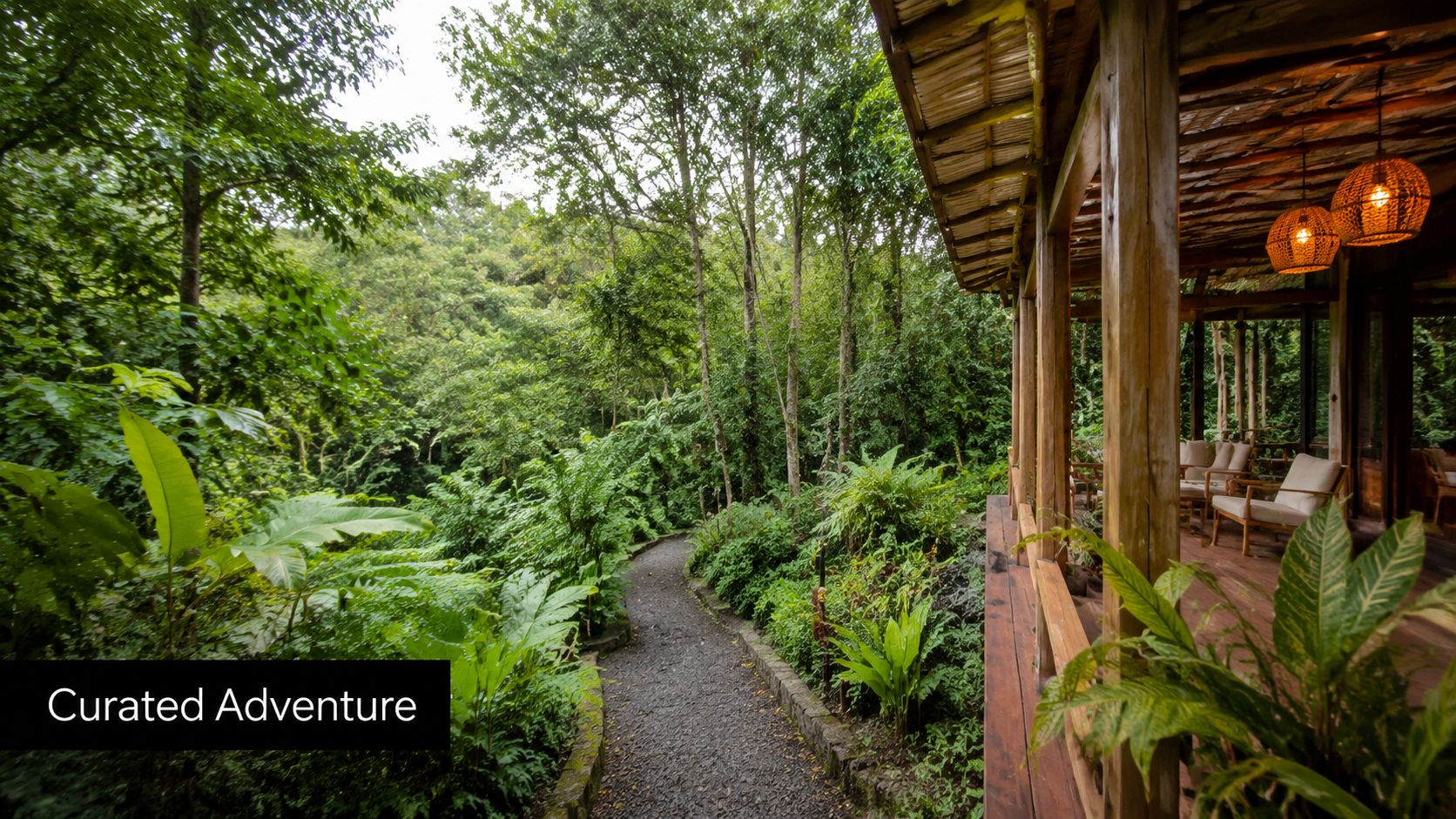
For guests staying in the Southern Zone, this hike works best as a single standout excursion rather than one of many back-to-back activity days. The reward is contrast. A structured national park hike up north, followed by a return to a more private rhythm in the south.
RemoveUploadDownloadRegenerateAsk AI
Why this pairing works
Río Celeste asks for movement, logistics, and attention. After a day like that, most travelers don’t want another social dinner scene or another fixed itinerary block. They want quiet, good food, and a setting that lets the day settle.
That’s where a retreat-style stay becomes valuable. Instead of filling every day with transport and checklists, you use one ambitious outing to anchor the trip, then let the surrounding days support recovery, connection, and space.
This is especially appealing for:
Couples: One memorable adventure day balanced by privacy and slower mornings.
Families or multi-generational groups: A shared outing with enough flexibility for different energy levels afterward.
Small groups and founders’ retreats: A conversation-rich day that feels bonding without becoming overly strenuous for everyone.
A strong rhythm for the trip
A thoughtful sequence often looks like this:
Before the hike: Keep the previous day light. Choose rest, a local swim, or a quiet dinner.
Hike day: Leave early, commit to the full-day format, and don’t schedule anything demanding for the evening.
The day after: Build in a softer reset with stretching, unhurried coffee, pool time, or a chef-led meal.
Travel works best when exertion and restoration are paired, not stacked. That’s one reason a property with intimate scale and personalized pacing often suits this kind of itinerary better than a large resort with a fixed-activity feel.
For travelers considering how a Southern Zone stay fits into a bigger Costa Rica plan, this overview of what to expect at VIVARA gives a useful sense of how a retreat base can complement more ambitious day trips.
What to Pack and Essential Visitor Etiquette
For guests doing Río Celeste as a long day out from a Southern Zone base like VIVARA, smart packing matters more than packing a lot. The trail is manageable for many travelers, but wet ground, the stair descent, and changing weather reward a light kit chosen for comfort on the trail and an easier ride back.
What to bring
Closed-toe shoes with grip: This is the item I push hardest on. The trail can be muddy, roots get slick, and the stair section feels much better in proper walking shoes.
Light rain protection: A compact rain jacket or poncho earns its place year-round. Conditions shift fast in this part of Costa Rica.
Reusable water bottle: Bring one that seals well and fits easily in a small bag.
Small day bag: Keep your hands free and your load light. You only need room for water, rain gear, sunscreen, and personal basics.
Dry shirt for afterward: This makes the return drive far more comfortable, especially if you get caught in rain or sweat through your hiking clothes.
Insect repellent: Not every day is buggy, but some are, especially around wetter stretches and at the parking areas.
What to leave behind
A heavy backpack changes the feel of this hike for the worse.
Bulky extras: Large camera bags, extra layers you will not wear, and backup shoes usually stay untouched.
Sandals or slick fashion sneakers: They make the stairs and muddy patches harder than they need to be.
Disposable packaging: Bring snacks in reusable containers or packable bags so nothing gets left behind.
How to move through the park well
Río Celeste rewards visitors who keep a steady pace and respect that it is a protected area, not a private backdrop.
Stay on marked paths: The ground near the river is fragile, and shortcuts damage the park quickly.
Be patient on the stairs and narrow sections: Let people come through safely before trying to pass.
Take photos, then make room: Viewpoints back up easily, especially later in the morning.
Carry out everything you carry in: The standard is straightforward and should stay that way.
Follow swim restrictions and staff guidance: Rules can change with conditions, and rangers are there to protect both visitors and the site.
The travelers who handle this park best are rarely the ones with the most gear. They are the ones who arrive prepared, keep their footprint light, and understand that a place this beautiful stays special because visitors treat it with restraint.
Río Celeste fits beautifully into a more restorative Costa Rica itinerary when the adventure day is well planned and the rest of the trip gives you space to recover. If you want to pair iconic Costa Rica adventure with a more private, restorative base, VIVARA offers a thoughtful home in the Southern Zone. It’s especially well suited to couples, families, and small groups who want nature, design, and personalized hospitality, then the flexibility to build days around their own rhythm.

