The Vivara Content Team
10 Adventure Ideas for a Costa Rica Retreat
10 Adventure Ideas for a Costa Rica Retreat

A group arrives in Costa Rica wanting more than a sequence of excursions. They want to celebrate, reconnect, recover from burnout, or return home with a story that feels shared. Yet an itinerary can easily become a tiring collection of transfers, reservations, and disconnected activities.
The strongest adventure ideas connect movement to a larger purpose. Before choosing one, assess guest fit, trip length, physical demand, privacy, weather flexibility, dining, local relationships, guide standards, and the outcome people want to carry home. Costa Rica offers an unusually rich setting for that work, from Dominical's Pacific coast and rainforest to wildlife, farms, rivers, and community-led experiences.
VIVARA in Dominical illustrates one useful model. Its architecturally distinct villas accommodate up to 14 guests, allowing a couple, family, friend group, team, or emerging brand community to shape the stay around a shared rhythm rather than a fixed tour schedule. The point isn't to promote one property as the answer. It's to show how intimate, customizable hospitality can make adventure feel considered.
The ten ideas below are organized around transformation, including purpose, vitality, connection, restoration, learning, and celebration. Each includes a realistic 3- to 10-day Costa Rica itinerary, the travelers it suits, the practical trade-offs to examine, and adaptations that can help hosts and brands build stronger relationships with their communities.
1. Immersive Wildlife and Marine Conservation Experiences
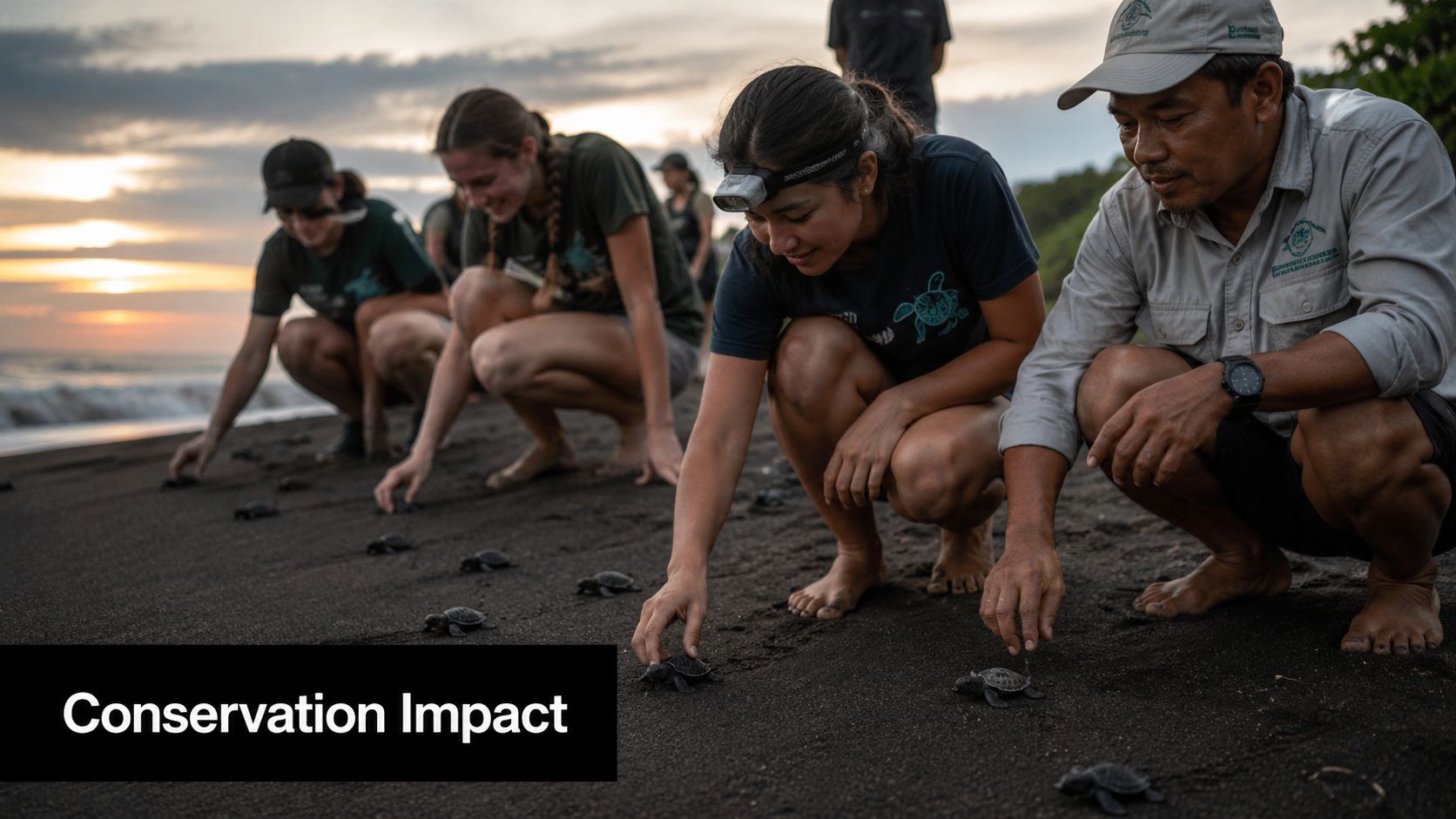
Wildlife becomes more meaningful when guests understand what they're seeing and how their presence affects the place. A conservation-centered retreat might combine whale watching off Dominical, a rainforest night walk, a beach cleanup, and a sea turtle monitoring session arranged with a local conservation organization.
Costa Rica's humpback whale seasons create a useful planning anchor. Northern-hemisphere whales generally arrive from December to April, while southern-hemisphere whales are typically present from July to October, with August and September often identified as peak months. The seasonal guide to Uvita whale watching can help hosts build an itinerary around those migration windows.
A practical five-day sequence could begin with a gentle coastal orientation, followed by a whale-watching expedition, a guided night walk, a community beach cleanup, and a final dinner featuring local suppliers. Observation-only guests shouldn't be pushed into hands-on work. Offer clear participation levels, from naturalist-led viewing to marine debris tracking and deeper volunteer roles.
Practical rule: Conservation should be verifiable. Ask partners how they measure outcomes, train guides, protect wildlife from disturbance, and report results after guests leave.
This format suits families, purpose-led brands, couples seeking a meaningful shared experience, and retreat planners who want community engagement without turning a holiday into unpaid labor. Provide pre-trip educational material, train guides in cultural storytelling as well as species identification, and send a post-stay impact summary. That follow-up gives guests something concrete to discuss and gives brands a credible way to keep their community connected beyond the retreat.
2. Curated Adventure and Culinary Integration Retreats
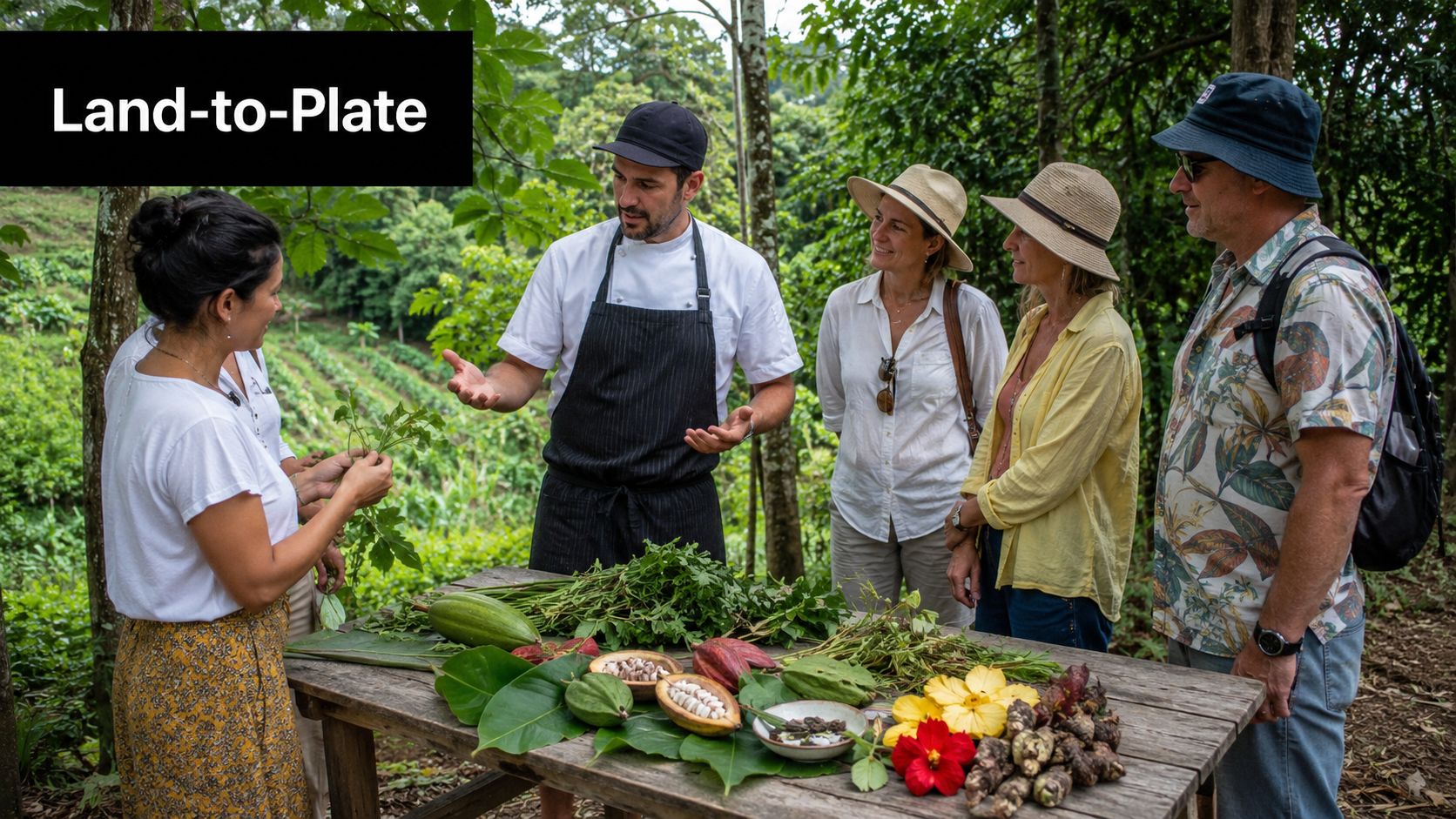
Physical activity and food work best together when neither feels like an afterthought. A morning horseback ride, canyoning route, paragliding flight, or rainforest hike can lead into an afternoon cooking session where guests learn how local produce, ocean catches, coffee, cacao, and jungle ingredients reach the table.
A three-day version might include a guided adventure on arrival, a farm or coffee visit on the second day, and a final cooking class paired with a sunset dinner. A longer week can add horseback trekking, a river excursion, a chocolate workshop, and a chef-led tasting that explains technique, sourcing, and cultural context. The meal becomes part of the adventure, not just recovery after it.
VIVARA's model of Michelin-trained culinary leadership, farm-fresh produce, ocean-caught ingredients, and jungle-foraged elements shows how a retreat can connect exertion with nourishment. Hosts should still confirm sourcing, dietary flexibility, and the actual role of local farmers, fishermen, and foragers. A polished menu isn't enough if the supply chain remains vague.
Design the table as a community space
Shared dining can help strangers become a group, but conversation won't always happen naturally. Consider seating arrangements, optional prompts, and enough unstructured time for relationships to develop without forcing disclosure. A pre-arrival dietary consultation also signals care, particularly for guests with allergies, restrictions, or strong food preferences.
This idea suits wellness travelers, couples, friend groups, and brands building community through sensory experiences. Give guests a digital recipe and sourcing guide after the stay, along with short stories about suppliers when permission allows. That take-home material extends the relationship and gives a brand useful, authentic content without reducing local partners to marketing props.
3. Private Estate Buyouts for Milestone Celebrations and Intimate Group Experiences
A private buyout changes the operating logic of a retreat. The group isn't adapting to a hotel's public schedule. Villas, dining, staff, ceremonies, work sessions, and adventure logistics can be shaped around the people who've arrived.
That makes this format especially effective for anniversaries, renewal ceremonies, milestone birthdays, multi-generational families, creator collectives, mastermind groups, and yoga teacher trainings. A group of friends might spend a week combining paragliding, private dinners, and a ceremony. A family could divide daytime activities by age while preserving shared breakfasts and evening meals. A founder community could alternate focused work with restoration and celebration.
For groups considering the model, this guide to a private villa buyout for a Costa Rica family vacation offers a relevant planning reference.
Match the buyout to the group's purpose
A three-day celebration, a week-long transformation, and an extended training cohort need different levels of coordination. Clarify the group's dynamics before booking, then assign one person to manage dietary requirements, transport, activity changes, and interpersonal flow. Optional additions such as a private chef's tasting menu, ceremony facilitation, photography, or sound equipment can increase meaning, but they should support the purpose rather than inflate the program.
The trade-off is planning complexity. Exclusivity creates privacy and flexibility, yet it also means the host must manage more decisions. Build opening intention-setting and a closing ritual into the schedule, then ask permission before collecting photos or testimonials. For brands, a buyout can create a concentrated environment for community building, provided the experience feels like hospitality first and content production second.
4. Aerial Adventure and Extreme Sports Experiences
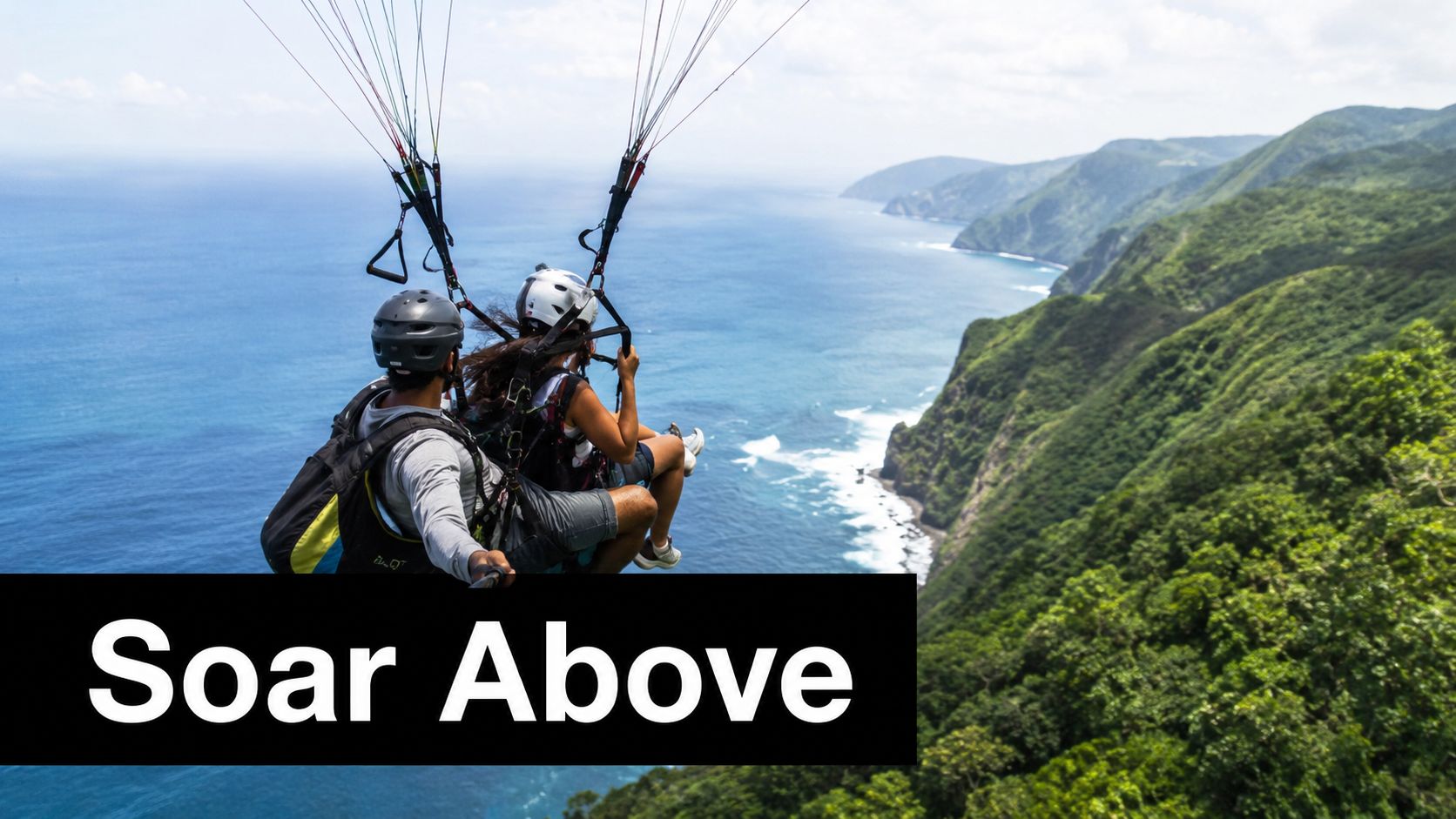
Dominical's coastline, jungle, and changing elevation make aerial activities compelling for guests who want a clear physical threshold to cross. Tandem paragliding, canopy zip lining, and private helicopter sightseeing can create the perspective shift that some travelers associate with a true adventure.
A three-day itinerary might place a flexible paragliding window between restorative meals, a rainforest zip-line course, and a slower coastal day. For a longer retreat, combine a sunrise flight, canyoning, a sunset cruise, and a guided reflection or breathwork session. The reflection matters because the emotional value often comes from confronting uncertainty, relying on another person, and seeing the surroundings differently.
Weather creates the central trade-off. Paragliding and helicopter plans shouldn't be fixed so tightly that one poor-weather day disrupts the entire retreat. Work with certified operators, provide a grounded alternative, and explain cancellation and rescheduling policies before arrival. Guests also need honest information about mobility, fear, body weight limits where applicable, and the difference between tandem flying and a group zip-line experience.
Choose the activity by emotional readiness, not by how impressive it looks in a brochure.
For people who are nervous, a short pre-activity meditation or orientation can help. Professional photography can preserve the moment, but it shouldn't become compulsory. A Costa Rica zip-lining guide from VIVARA can help travelers compare canopy experiences with other options. This theme fits adventure seekers, couples, friend groups, and brands seeking a memorable shared challenge, but it's less suitable as the only focus of a retreat serving mixed mobility or strongly restoration-oriented guests.
5. Regenerative Wellness Retreats with Yoga, Breathwork, Somatic Release, and Forest Bathing
A wellness retreat should create room for the nervous system to settle, not fill every hour with another intervention. A five-day program could include morning yoga, guided breathwork, forest bathing, sound healing, a cooking class, and quiet afternoons without compulsory socializing.
This format suits people recovering from burnout, navigating a career or relationship transition, or seeking a personal reset. It can also work for women's circles, executive groups, and wellness communities, but the facilitator's qualifications matter more than the vocabulary used in the program description. Somatic release and intensive breathwork can bring up sensitive material, so hosts need trauma-informed practitioners, clear screening, confidentiality agreements, and appropriate referral pathways.
Build intensity in layers
Beginner guests might choose gentle yoga, walking, restorative practices, and forest immersion. More experienced participants may want deeper breathwork or somatic sessions. Don't place everyone into the same emotional or physical intensity because they booked the same retreat.
A restorative itinerary also needs buffer time. Guests shouldn't leave a demanding session and immediately board a vehicle for a long excursion. Offer follow-up meditations, practices, and reflection prompts after departure, while avoiding promises of clinical treatment unless licensed professionals are directly involved.
VIVARA's healing retreats in Costa Rica represent one possible framework for combining nature, hospitality, and structured restoration. The wider commercial context supports careful premium positioning. Reporting tied to the Global Wellness Economy Monitor places wellness tourism at about $1 trillion in 2024, and describes wellness travelers as spending an average of $1,764 per trip, about 41% more than the average tourist. The Costa Rica wellness tourism report provides those figures and their source context. The opportunity is real, but trust, safety, and niche fit are what distinguish a credible retreat from generic wellness language.
6. Multi-Day Active Trekking and Rainforest Immersion
Rainforest immersion rewards guests who prefer a day that unfolds on foot. A three-day Dominical route could include waterfall hikes, river swimming, wildlife tracking, and a jungle lodge or treehouse stay. A more demanding itinerary might connect Corcovado National Park trekking with kayaking, overnight outdoor sleeping, or technical canyoning, depending on guide assessment and guest ability.
The experience should progress rather than peak immediately. Start with a manageable walk, introduce river or waterfall activities once guides understand the group, and reserve the most demanding route for guests who've demonstrated readiness. Nauyaca Waterfalls can provide a memorable day with hiking and swimming, while a river kayaking and trekking combination offers variety without making every hour a vertical challenge.
The packing list is part of the guest experience. Clear advice about footwear, rain protection, dry bags, hydration, insect protection, and changing clothes prevents avoidable discomfort.
Work with guides who know the rainforest as living habitat, not just as scenery. They should explain weather changes, wildlife behavior, route conditions, and safety decisions in plain language. Flexible planning is essential because rain can require a route pivot. A host should communicate that possibility before the group sets out, not present it as a failure on the day.
This is best for active travelers, friend groups, families with older children, and teams seeking a shared challenge. Offer day hikes, multi-day trekking, and technical options as separate tiers. Frame pre-trek meals as fuel and post-trek meals as a social reward. If conservation fees support trail maintenance, guide training, or habitat protection, explain the arrangement transparently rather than making a broad impact claim.
7. Transformational Work Retreats for Masterminds, Teams, and Creative Collaboration
Work retreats fail when they recreate the office in a prettier setting. A productive Costa Rica retreat separates focused work from adventure, meals, and recovery, then gives each part a deliberate role.
A week-long mastermind might reserve mornings for strategy sessions, afternoons for paragliding, sailing, yoga, or rainforest walks, and evenings for shared dining and vision planning. A creative agency could use a coastal adventure to interrupt stale thinking before returning to a client presentation. An executive team might pair strategic alignment with facilitated trust work rather than treating recreation as a reward for finishing the agenda.
Design for usable outcomes
Start with a pre-retreat planning call. Define the decisions the group needs to make, the conflicts it needs to address, and the relationships it wants to strengthen. Then create a daily rhythm with protected work blocks, realistic transfer time, unstructured connection, and technology boundaries.
A facilitator can make the difference between a retreat that feels purposeful and one that becomes a series of conversations without closure. Establish confidentiality and psychological safety, assign clear roles, and use dinners intentionally through seating plans or optional prompts. Adventure should create perspective and shared memory, not become a compulsory endurance test.
For brands and community-led businesses, this format can deepen consumer relationships when participants are treated as members rather than content assets. Send pre-work, provide a workbook, and follow up with coaching or accountability calls. Track qualitative outcomes such as strategic clarity, projects initiated, and relationships strengthened, but don't promise a return on investment that the program can't measure.
8. Couples' Intimacy and Relationship Transformation Retreats
Couples often don't need more activities. They need a setting that makes attention easier and gives them a shared experience outside the roles they've been performing at home.
A private three-day retreat could combine a tandem paragliding flight, a couples' communication session, a private dinner, massage, and quiet beach time. A seven-day renewal program might add facilitated visioning, sensuality practices, a cooking experience, forest bathing, and a closing ceremony. The emphasis should be enhancement and reconnection, not the suggestion that a short trip can resolve a relationship in crisis.
The intake process deserves care. Speak with each partner individually, clarify intentions, ask about current challenges, and confirm that both people consent to the format. Facilitators should have couples' therapy backgrounds or recognized relationship-coaching credentials, and they should explain the boundaries of their role.
Let adventure carry some of the conversation
A shared flight or guided jungle walk can create embodied metaphors around trust, support, fear, and perspective. It shouldn't replace skilled facilitation, but it can make later conversations feel less abstract. Balance structured work with solo time, private romance, playful activities, and meals designed around gratitude, future visioning, or curiosity.
This theme works for newlyweds, long-term partners, blended families, and couples navigating career, relocation, or empty-nest transitions. It isn't appropriate as a substitute for urgent clinical support. Provide take-home communication tools and optional follow-up coaching so the retreat becomes a beginning rather than a sealed-off memory.
For a premium but practical traveler, privacy may matter more than a long menu of excursions. A private villa, responsive cuisine, and the ability to change the day's pace can be more valuable than adding another scheduled activity.
9. Mentor-Led Skill-Building Intensives
A strong intensive leaves participants with something they can use. That might be a completed writing project, a stronger pitch, a refined business model, a new creative process, or a clearer wellness practice. Nature provides the reset between learning blocks, but the mentor's teaching ability remains the central product.
A four-day writing intensive could pair morning workshops with afternoon creativity hikes and evening readings. A women's entrepreneurship cohort might alternate fundraising coaching, pitch practice, adventure bonding, and peer feedback. A ten-day yoga teacher training would require a more rigorous curriculum, appropriate facilities, clear certification claims, and enough recovery time for embodied learning.
Curate the cohort, not just the speaker
A recognized name won't guarantee a useful retreat. Review the mentor's teaching experience, philosophy, availability, and ability to give direct feedback. Applications or pre-arrival conversations can help create a compatible group, particularly when participants will share intimate work or business concerns.
Set learning objectives before booking. Provide pre-work, readings, self-assessments, or project briefs so the in-person time begins at a useful level. Then create accountability partnerships, a digital community, or follow-up coaching after guests return home. That ongoing structure is particularly valuable for brands building a community around a founder, creator, or professional identity.
The trade-off is focus. Participants who want a relaxing holiday may find a skills intensive too demanding, while ambitious learners may become frustrated if adventure takes over the schedule. State the expected preparation, daily rhythm, and tangible outputs clearly. The best program feels generous, but it doesn't confuse ease with lack of direction.
10. Multi-Generational Family Retreats for Connection, Adventure, and Storytelling
A family retreat succeeds when no generation has to choose between belonging and comfort. Grandparents may want gentle nature walks, parents may value time without logistics, teenagers may want zip lining or canyoning, and young children may need flexible meals, rest, and supervision.
A seven-day family itinerary could combine beach time, age-appropriate rainforest activities, a conservation day, shared cooking, storytelling dinners, and a family ritual. A ten-day stay can slow the pace further, allowing younger adults to join higher-energy excursions while older relatives participate in accessible alternatives. The group still meets around anchor moments, including breakfast, dinner, a photo session, or a closing ceremony.
Plan parallel days with shared meaning
The itinerary should show both the activity options and the moments everyone shares. Gather mobility information, dietary requirements, childcare expectations, and family stories before arrival. Those details can inform a storytelling practice, an intergenerational craft session, or a photo and video project that becomes a keepsake.
Clear accessibility information matters. Don't describe an activity as easy without explaining terrain, transfer time, heat, stairs, swimming requirements, and available support. Experienced childcare or eldercare professionals can give adults genuine breathing room, but their qualifications and responsibilities should be clarified before booking.
This format suits reunions, milestone birthdays, family transitions, and families who want a shared experience rather than a resort stay where everyone disappears into separate routines. Brands can adapt the same structure for customer families or community gatherings, but they should keep the focus on participation and care. A family doesn't need an extreme itinerary. It needs enough variety for different bodies and enough intentionality for different generations to hear one another.
10 Adventure & Retreat Experiences Comparison
Experience | 🔄 Implementation Complexity | ⚡ Resource Requirements | 📊 Expected Outcomes | Ideal Use Cases | ⭐ Key Advantages |
|---|---|---|---|---|---|
Immersive Wildlife & Marine Conservation Experiences | Moderate–High: seasonal windows, permits, specialist guides | Conservation partners, small boats, monitoring gear, trained naturalists | Measurable conservation impact + engaged, purpose-driven guests | Purpose-driven travelers, families, influencer partnerships, conservation donors | Authentic regenerative impact; strong storytelling. 💡 Partner with certified NGOs |
Curated Adventure + Culinary Integration Retreats | High: coordinate chefs, suppliers, and adventure ops | Michelin-level chefs, local farms/fishers, well-equipped kitchens, logistics team | High guest satisfaction, premium pricing, strong local supplier support | Foodies, wellness seekers, affluent experiential travelers, content creators | Multi-sensory, high-margin offering; strong content potential. 💡 Lock supplier relationships early |
Private Estate Buyouts for Milestones & Intimate Groups | High: full customization, event logistics, concierge coordination | Full staff roster, villas, dedicated concierge, vendor network, ceremony logistics | Large single-booking revenue, deep bonding, strong referrals and repeat clients | Multi-gen families, milestone celebrations, brand retreats, masterminds | Exclusive, highly personalized experiences; predictable high-margin bookings. 💡 Offer tiered buyout packages |
Aerial Adventure & Extreme Sports Experiences | High: stringent safety, weather dependency, certified operators | Certified pilots/instructors, safety gear, insurance, heli access (optional) | Peak, memorable moments; viral content; premium add‑ons revenue | Thrill-seekers, content creators, high-performers seeking breakthroughs | High-shareability and transformational narratives. 💡 Include pro photo/video add-ons |
Regenerative Wellness Retreats (Yoga, Breathwork, Forest Bathing) | Moderate: screening, trauma-informed facilitation, layered programming | Licensed facilitators, quiet spaces, wellness props, small cohorts | Nervous-system regulation, repeat guests, community building, measurable wellbeing | Burned-out professionals, wellness travelers, practitioners, small cohorts | High retention and repeat visits; therapeutic restoration. 💡 Screen participants and provide follow-up resources |
Multi-Day Active Trekking & Rainforest Immersion | Moderate: route planning, safety protocols, weather contingencies | Expert local guides, safety/rescue plans, basic camping/lodge logistics, transport | Deep nature connection, group bonding, dramatic shareable content | Adventure-seeking couples, friends, families comfortable with rustic conditions | Strong experiential differentiation and resilience-building. 💡 Set clear fitness expectations |
Transformational Work Retreats: Mastermind & Team Bonding | High: agenda design, skilled facilitation, tech and logistics | Facilitators, AV/Wi‑Fi, curated programming, adventure/wellness partners | Strategic clarity, team cohesion, tangible ROI for organizations | Masterminds, exec teams, startups, creative agencies | Combines productivity with restoration; high ROI potential. 💡 Pre-define objectives and norms |
Couples' Intimacy & Relationship Transformation Retreats | High: sensitive intake, specialist facilitators, confidentiality needs | Couples therapists/coaches, private villas, curated adventures, privacy measures | Increased intimacy, reconnection, strong referral and repeat bookings | Engaged/newlyweds, couples in transition, high-net-worth partners | Deep, personalized transformation with premium pricing. 💡 Use thorough intake and safety protocols |
Mentor-Led Skill-Building Intensives | Moderate: recruit mentors, curate cohorts, design learning outcomes | Recognized experts, learning materials, small cohort facilitation, digital follow-up | Tangible skills, ongoing mentor relationships, high participant ROI | Emerging entrepreneurs, creatives, practitioners seeking advancement | High credibility and network effects; repeatable model. 💡 Require pre-work and curate applicants |
Multi-Generational Family Retreats | High: complex scheduling, accessibility, multi-age programming | Childcare/eldercare staff, varied activity teams, accessible facilities, keepsake production | Legacy-building, long bookings, strong word-of-mouth among families | Extended family reunions, milestone multi-gen celebrations | Large booking value and lasting memories. 💡 Provide keepsake packages and clear accessibility info |
Choose the Adventure That Serves the Group
The best choice depends less on the activity's prestige than on the transformation the group wants. Wildlife and conservation experiences serve purpose, with a moderate physical profile and strong local-partnership requirements. Culinary integration supports vitality and cultural connection, usually with flexible intensity and broad appeal. Private estate buyouts prioritize privacy and celebration, but they demand early coordination and a clear budget.
Aerial and extreme sports favor courage, perspective, and excitement. They're a strong fit for adventure seekers, couples, and friend groups, but weather and safety standards can affect the plan. Regenerative wellness favors restoration, requiring careful facilitator selection, screening, confidentiality, and enough quiet time. Active trekking builds resilience and awe, yet it needs honest fitness guidance, equipment planning, route flexibility, and guests who are comfortable with changing conditions.
Work retreats serve strategic clarity and team connection. Their success depends on facilitation, schedule discipline, and a clear distinction between work and recreation. Couples' retreats focus on relationship renewal, where privacy, emotional safety, and skilled guidance matter more than the number of excursions. Mentor-led intensives support learning and momentum, while multi-generational family retreats prioritize belonging, legacy, and shared memory through parallel activity levels.
Commercial context supports taking these experiences seriously. The Adventure Travel Trade Association's 2024 industry snapshot reported that respondent companies served an average of 6,553 travelers in 2023, compared with 4,243 in 2022 and 1,355 in 2021, while average trip occupancy was 65%. The same snapshot reported that 75% of a typical itinerary price of $2,813 for an 8-night trip flowed to local suppliers on average. The industry snapshot and its supporting market discussion point to a commercially mature category with meaningful supplier connections, not a niche add-on.
Independent market estimates differ, but both describe a large and expanding global segment. One report valued adventure tourism at $421.89 billion in 2025 and projected $981.13 billion by 2030, while another estimated $552.6 billion in 2025 and $1,989.2 billion by 2034. Those projections use different methodologies, so they shouldn't be treated as interchangeable. They do, however, reinforce the practical observation that travelers increasingly consider active, nature-based, experience-led itineraries alongside conventional sightseeing. Grand View Research's adventure tourism market report provides the estimates and regional context.
Experience design also has direct booking relevance. The tours and activities market reached USD 253 billion in 2024 and is forecast to reach USD 342 billion by 2029, while experience bookings grew 17% in 2024, compared with 6% for travel overall. PhocusWire's coverage of the Phocuswright research explains why curated activities can strengthen a high-touch retreat offer. For brands, the lesson is to build community around a meaningful point of view, not just attach a logo to a crowded excursion list.
Before you compare hosts, take five practical steps:
Define the desired outcome: Decide whether the group wants purpose, vitality, restoration, connection, learning, celebration, or a combination.
Shortlist two themes: Compare a primary format with a credible alternative, such as conservation versus culinary integration or wellness versus active trekking.
Confirm guest requirements: Review mobility, fitness, age, medical considerations, swimming ability, dietary needs, and comfort with exposure or heights.
Build weather flexibility: Ask what happens when rain, wind, surf, or river conditions change the original plan.
Clarify value and inclusions: Confirm accommodation, meals, guides, transport, equipment, facilitation, photography, private activities, cancellation terms, and the level of concierge support.
Ask prospective hosts how they select guides, manage dietary needs, work with local partners, report conservation outcomes, protect guest privacy, and maintain community after departure. These questions reveal more than polished imagery.
VIVARA offers one example of the details that can shape a purposeful retreat in Dominical. The founder-led property accommodates up to 14 guests across distinct villas, provides personalized V-star service and on-demand experiences, offers responsive cuisine led by Michelin-trained culinary leaders, and uses transparent week-long pricing for intimate gatherings or full-estate buyouts. Its stated support includes animal rescue, lifeguard training, living wages, and turtle conservation. Those features don't make every itinerary right for every group, but they show how hospitality, adventure, food, and impact can be designed as one experience.
The strongest adventure ideas aren't the most extreme. They're the ones that match the people, the moment, and the change they want to carry home.
If your group wants a Costa Rica retreat shaped around restoration, shared adventure, meaningful dining, or private celebration, explore VIVARA in Dominical. Review its villa setting, on-demand experiences, responsive cuisine, and options for intimate gatherings or full-estate buyouts, then contact the team to begin matching the itinerary to your group's purpose.

