The Vivara Content Team
7 Multigenerational Vacation Ideas in Costa Rica
7 Multigenerational Vacation Ideas in Costa Rica

The most popular multigenerational travel advice is often the least useful: find one destination and keep everyone on the same schedule. That sounds cooperative, but it can turn a Costa Rican holiday into a series of compromises. Grandparents may want a shaded garden and an easy lunch while teenagers are ready for a canopy adventure, and parents may need both meaningful family time and a quiet hour alone.
The strongest multigenerational vacation ideas create a shared base, flexible activity tracks, unhurried meals, and enough privacy for different energy levels. Costa Rica makes that design possible through rainforest, beaches, wildlife, restorative food, local culture, and experiences that can support connection without demanding constant togetherness.
This guide compares seven practical models, from private villa buyouts and wellness stays to education, conservation, and slow travel. Use the same decision lens throughout: How many people are coming, who needs the easiest access, how much structure feels right, what outcome matters most, and which accommodation layout protects both privacy and connection?
For an intimate group, VIVARA in Dominical offers architecturally distinct villas, personalized V-star service, curated experiences, and a private setting for up to 14 guests. Thoughtfully designed retreats also matter to brands. They can give communities and consumers a more genuine setting for relationship building than a conventional event or promotional gathering.
1. Multi-Villa Estate Buyouts for Complete Family Autonomy
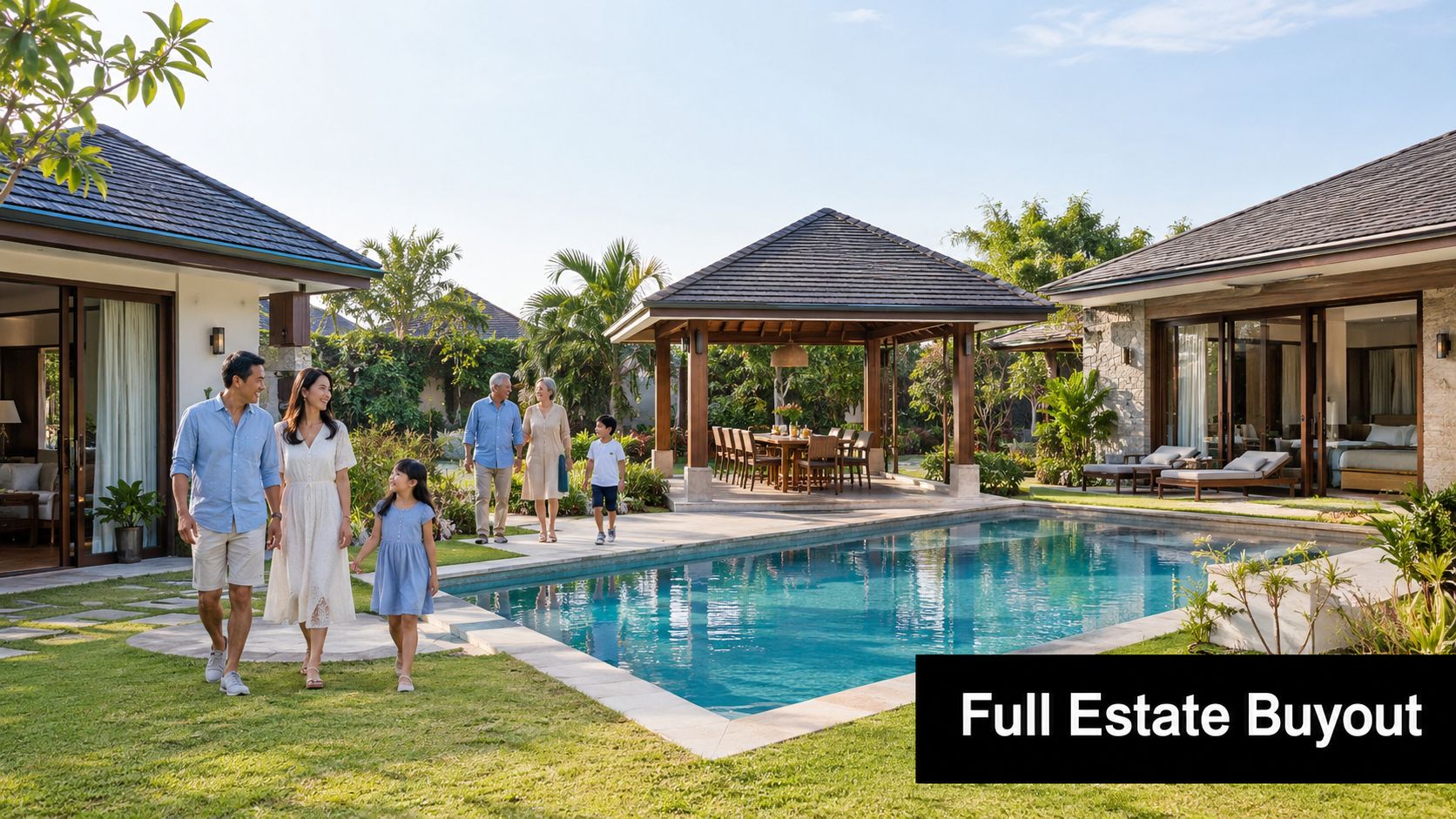
A full-estate stay works best when the family wants to be together without living as one household. Multiple villas on one property create a practical middle ground. Grandparents can keep an earlier rhythm, parents can settle children at their own pace, and cousins can gather in shared spaces without every bedroom becoming communal.
This model suits extended family reunions, milestone birthdays, anniversaries, weddings, and founder-led teams bringing families into a restorative working retreat. A seven-day stay can accommodate arrivals, a celebration, several curated excursions, and quiet days without making every moment a group obligation. For a smaller gathering, an intimate property with separate villas can feel more personal than a large resort. For a much larger reunion, the group should confirm whether the estate can host everyone without relying on nearby overflow lodging.
How to make autonomy feel connected
Assign one family coordinator to collect preferences and communicate with the concierge. That prevents every decision from becoming a group chat debate. A pre-arrival conversation should cover mobility, food allergies, sleep schedules, children's needs, preferred adventure levels, and whether anyone needs a private workspace.
Plan only about half the days in detail. Leave the remaining time open for pool mornings, naps, local meals, reading, or spontaneous walks. Staggered arrivals can also reduce pressure when relatives are flying from different places.
Practical rule: Discuss the shared budget before anyone confirms the booking. Include transportation, activities, special meals, tips, and gratuities so the person coordinating the trip isn't also absorbing invisible costs.
A property such as VIVARA's private villa buyout model is relevant for families seeking exclusive use, planning, chef-led dining, and a nature-connected base in Dominical. Ask how service works across the property, where meals are served, how children and older adults move between spaces, and whether impact initiatives can involve different generations. The best estate buyout doesn't provide more rooms. It gives each household room to breathe while keeping the family's shared story visible.
2. Wellness and Restoration Retreats Built Around Multi-Generational Healing
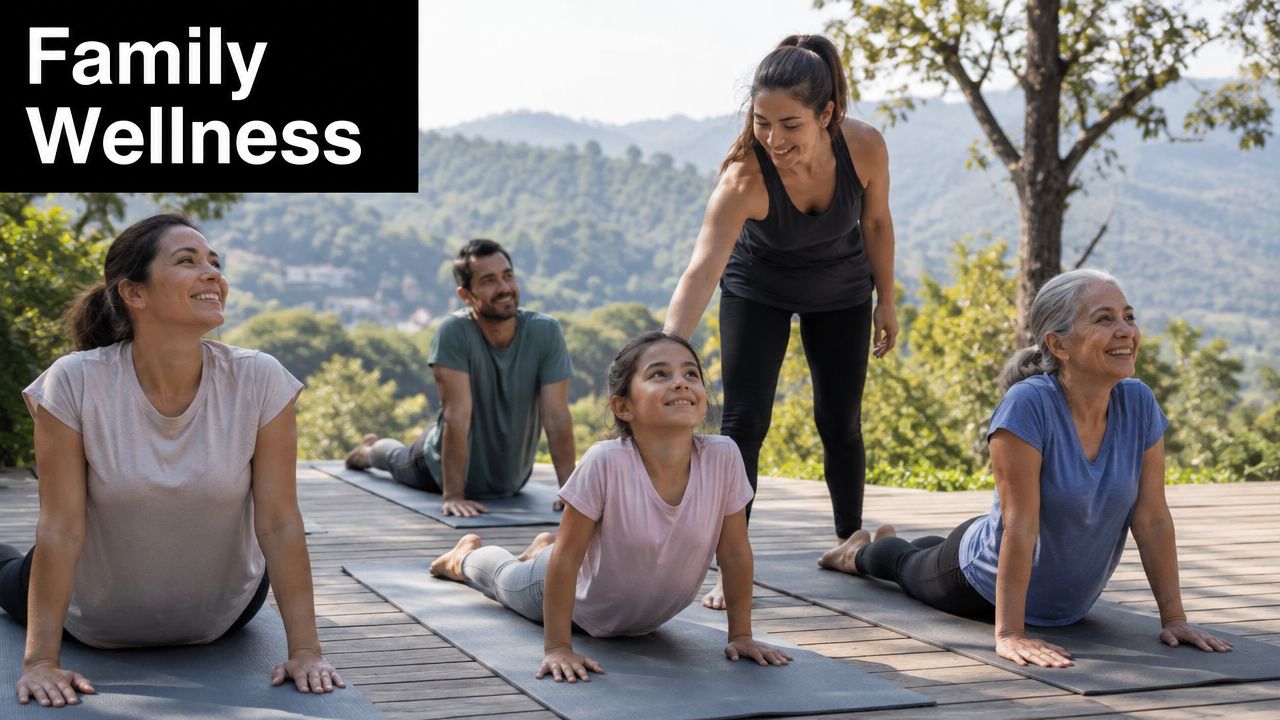
Wellness travel becomes more useful for families when it addresses a real transition rather than offering a generic schedule of yoga classes. A parent and adult child may need time to rebuild trust after a difficult period. A sandwich-generation family may be carrying caregiver fatigue. A retirement transition can create a new relationship between parents and their adult children, especially when the family wants to discuss identity, legacy, or changing responsibilities.
Costa Rica's natural setting supports this kind of retreat through warm outdoor spaces, ocean air, forest immersion, nourishing food, and a slower daily rhythm. The setting helps, but it isn't the program. A facilitator who understands family systems and intergenerational dynamics matters more than a beautiful deck.
Choose the right level of emotional structure
Before booking, speak directly with the retreat leaders. Ask who the program is designed to serve, how facilitators handle conflict, whether licensed therapists or appropriate clinical support are available, and what happens if one participant wants to step out of a group exercise. Families shouldn't be pushed into disclosure because the itinerary labels an activity as healing.
A three-day retreat can work as a reset when the group needs gentle reflection, restorative movement, shared meals, and nature time. A seven-day format allows more spacious integration, but it needs unstructured periods and a quiet return home. Nobody benefits from ending an emotionally demanding stay with an overpacked transfer day.
Choose a property with private sleeping arrangements, shaded communal areas, calm dining, and pathways that don't require everyone to move at the same pace. Shoulder-season travel can offer a more intimate experience and may reduce rates, but the right timing also depends on rainfall, flight schedules, and each family member's health needs.
VIVARA's restoration retreat fits the broader decision category for travelers comparing personalized wellness, nature, food, and privacy. Evaluate the facilitators, not only the setting. Ask what participants are expected to do, what they're free to skip, and how the retreat helps families carry useful changes into ordinary life.
3. Adventure-Tiered Experiences Spanning Thrill-Seeking to Gentle Exploration
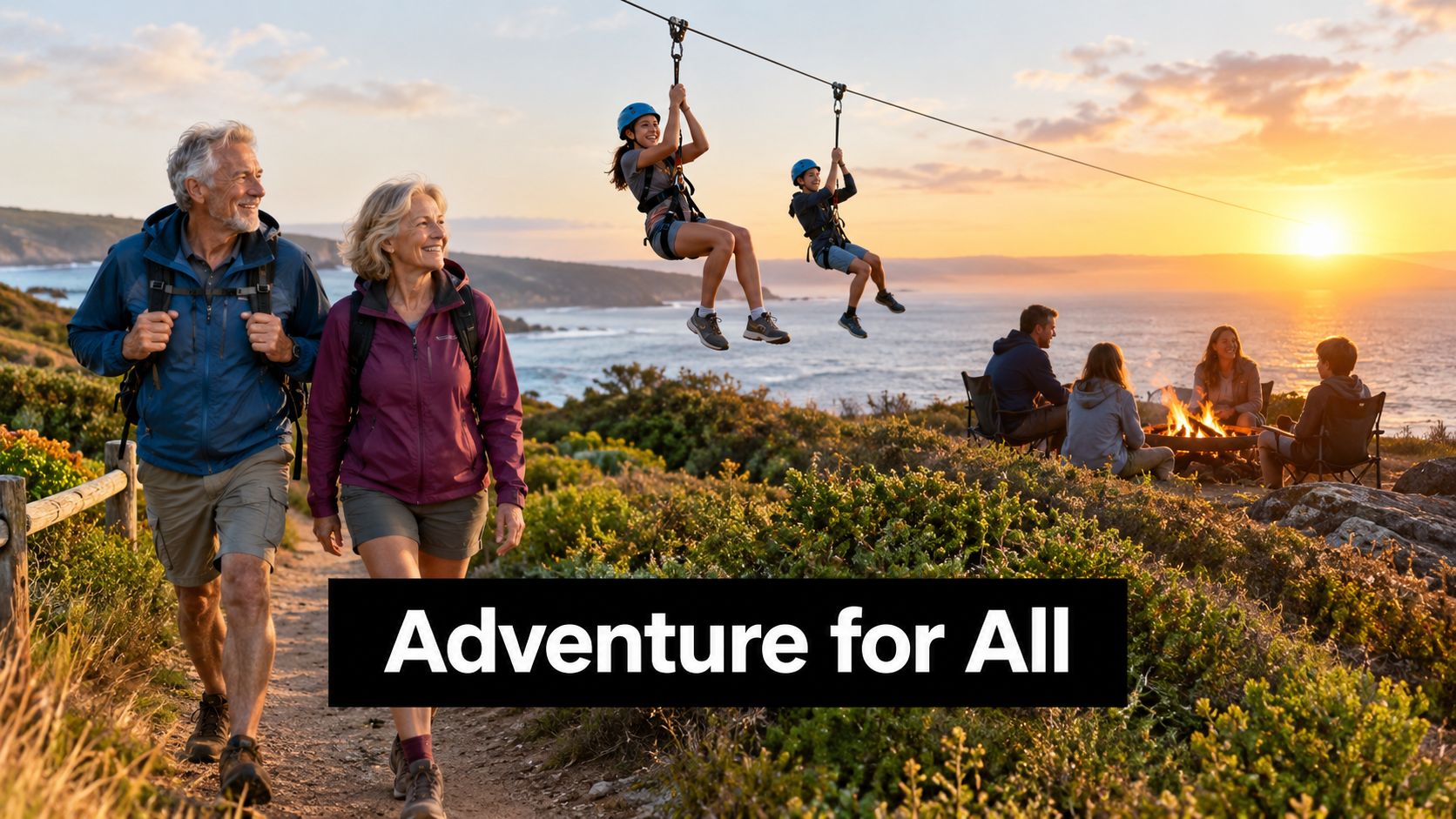
The mistake with a family adventure vacation is treating participation as proof of enthusiasm. A teenager may want zip lining or paragliding, while a grandparent may prefer a short rainforest walk, a wildlife-focused outing, or a shaded lunch with ocean views. Both can have a memorable day if the itinerary treats different intensities as a design feature rather than a failure of togetherness.
A strong Costa Rica adventure base offers parallel tracks. One group might head toward canyoning while another takes a gentler guided nature experience. Everyone can reunite for a sunset cruise, a beach meal, or stories around the fire. That shared return often creates more connection than forcing the entire family onto one activity.
Build a tiered itinerary
Before arrival, ask each person to rank their appetite for adventure from 1 to 10 and name specific concerns. Fear of heights, uneven ground, heat, water, long drives, or horseback riding requires different planning responses. Don't assume that age alone predicts what someone wants to try.
Use certified and insured outfitters with current safety procedures and equipment. Ask whether guides regularly work with mixed-age groups, what the walking surfaces are like, where participants wait, and whether transportation can accommodate mobility devices or slower walkers.
A practical seven-day structure could include a gentle arrival day, two days with split tracks, a recovery day, another shared excursion, a flexible beach or pool day, and a final celebration. A shorter three-day stay should avoid stacking major activities. Choose one anchor adventure, one easy shared experience, and enough recovery time for the trip to feel like a vacation.
Participation should be invited, never used as a test of family spirit.
A personalized property can simplify the logistics because the concierge can layer activities around the group's actual preferences. These Costa Rica adventure ideas illustrate the range travelers may compare, from whale watching and horseback riding to canyoning, zip lining, paragliding, and sunset experiences. Ask what's included, how long transfers take, and where the group reconnects afterward. The value isn't the number of excursions. It's the quality of the choices.
4. Purpose-Driven Retreats Combining Family Experience with Conservation or Community Impact
Purpose can give a multigenerational trip a stronger center, especially when families are tired of passive sightseeing. Costa Rica offers opportunities to learn about forests, marine ecosystems, wildlife, agriculture, and local community life. A family might join an appropriately managed sea turtle program, take part in a reforestation experience, visit a wildlife-rescue initiative, or work with a community-based tourism partner.
The meaningful version of this model isn't voluntourism theater. It starts with local leadership, a defined need, and a transparent explanation of what visitors can and cannot contribute. Children may learn through observation and environmental education, while adults take part in practical activities or discussions. Older relatives can contribute through storytelling, cooking, photography, language practice, or financial support if physical work isn't suitable.
Vet the impact before you travel
Ask partner organizations for registration details, references, local leadership, and testimony from the communities involved. Request a clear account of the work, who benefits financially, and how progress is measured. Be cautious when a program promises dramatic transformation but can't explain its operating model.
A three-day purpose-led itinerary might include an orientation, one carefully chosen community or conservation experience, and time for reflection near the beach or forest. A seven-day stay can add a second learning experience, a local food activity, and a family discussion about what happens after returning home. Balance service with leisure. The trip should not leave children exhausted or communities treated as scenery.
Prepare the family for cultural difference and unequal access to resources without turning local people into teaching tools. Learning basic Spanish together can create respect and improve everyday interactions. A family can also agree to a post-trip action, such as continued support, responsible purchasing, or sharing a partner's work accurately.
Brands can use this model carefully to build community with consumers. The partnership must be locally accountable, transparent, and useful beyond branded photographs. A retreat becomes more credible when guests understand the contribution and the community retains control over the work.
5. Slow-Travel Extended Base Stays for Deep Integration and Genuine Relaxation
A three- or four-week base stay changes the family dynamic. Short trips often encourage constant movement because everyone wants to see as much as possible. Extended travel creates room for ordinary rituals, local errands, market visits, repeated meals, language practice, creative work, and visits that don't need to produce a highlight.
This model works well when grandparents rent a villa while adult children rotate through, when a family takes a sabbatical, or when a retired couple hosts relatives around a shared base. An author or artist family might reserve mornings for creative work and afternoons for swimming, walks, or a local guide. The point isn't to fill a month with excursions. It's to let the place become familiar.
Budget for the life around the itinerary
Monthly pricing can offer better value than repeatedly booking short stays, but the comparison is only useful when inclusions are clear. Confirm housekeeping, utilities, WiFi, maintenance, laundry, transport, and any service charges before committing. Ask who responds to emergencies, how quickly support is available, and whether English-speaking services can be arranged when needed.
Book early for popular travel periods, particularly if the group needs a specific villa layout or accessible room. Shoulder-season availability may be more flexible, but weather and school calendars still shape the decision. Negotiate directly with owners or managers only after understanding cancellation terms and service standards.
Keep the first week light. Time-zone adjustment, heat, unfamiliar roads, and different meal rhythms can affect everyone differently. Arrange a local orientation early, then build community through markets, trusted restaurants, and repeat visits rather than trying to consume the destination.
The final week should include re-entry conversations. Discuss what each person valued, what habits might continue, and how the family can preserve the connection once everyone returns to separate routines. For brands, a slow retreat can deepen consumer relationships when it creates genuine participation rather than a tightly scripted content schedule.
6. Educational Travel Combining Skill-Building, Language Learning, and Family Bonding
Learning gives families something to do together that isn't dependent on everyone having the same fitness level. A Costa Rica program might combine Spanish, cooking, naturalist interpretation, marine biology, sustainable agriculture, or art with afternoons reserved for exploration. The shared achievement becomes a durable memory, whether the family prepares a meal, identifies forest species, or creates a small exhibition.
The structure must match the learners. Young children need age-appropriate instruction and shorter sessions, while adults may enjoy deeper context or a more technical workshop. A program built for adults won't automatically work for an eight-year-old, and a child-focused activity may frustrate grandparents who want cultural depth.
Compare intensity before booking
Ask whether the instructors have worked with mixed-age groups, what credentials they hold, and how they adapt when someone needs to skip a session. Language progress should be framed realistically. A family may develop useful basics and confidence during a focused stay, but fluency requires longer practice and continued reinforcement.
Half-day learning often works better than a full-day academic schedule for a family vacation. It leaves space for swimming, rest, private conversations, and unplanned discoveries. Evening meals can connect the lesson to family life, such as cooking a dish from the market or practicing new Spanish phrases with a local host.
A three-day itinerary could include two morning classes, one guided nature experience, and a final shared meal or presentation. A seven-day plan can alternate learning and exploration, allowing participants to absorb the material rather than racing from one lesson to another.
If children are under eight, confirm whether separate programming exists and whether supervision is included. Also ask about transport, weather alternatives, dietary accommodations, and the physical demands of field sessions. For entrepreneurs or brands, educational retreats can combine family tracks with workshops for adults, but the separation should feel intentional, not like children were added as an afterthought.
7. Practical Planning and Budget Considerations for Multigenerational Costa Rica Travel
The best itinerary can fail if one person carries every decision or if the group discovers hidden costs after arrival. Multigenerational travel needs a visible planning system. Start with one shared document covering names, room preferences, mobility needs, allergies, arrival details, emergency contacts, activity preferences, and the person responsible for each decision.
Market demand supports taking this segment seriously. A 2016 Mintel survey found that 27% of vacationing parents included grandparents in family travel, while industry data cited by the National Tour Association said multigenerational vacations represented about half of vacations taken by parents and grandparents, and 77% of multigenerational travelers tried to take one every year. The National Tour Association family travel guide places this behavior in the context of recurring family travel, not a niche occasion.
Price the whole experience
One person may sponsor most of the trip. The 2025 U.S. Family Travel Survey reported that 37% of grandparents fully fund multigenerational trips and 84% pay for skip-generation travel. That makes early clarity about rooms, activities, transfers, tips, and upgrades a relationship issue as much as a budgeting issue. The 2025 Family Travel Association survey report is useful context for families discussing who pays and when decisions need to be made.
Costa Rica park fees should also appear in the working budget. Foreign visitors commonly pay about US$15 to US$18 per adult, while children usually pay about US$5 to US$6, according to Costa Rica national park visitor guidance. Fees vary by site, with official guidance listing some parks at US$10, US$15, or US$25 per day for foreigners and separate child pricing, as explained by Visit Costa Rica's park admission information. Manuel Antonio's official guidance lists foreign adult admission at about US$18.08, foreign children ages 2 to 12 at about US$5.65, and free entry for children under 2. It also notes free admission for everyone on August 24, Costa Rica National Parks Day, in the park's visitor guidance.
Monteverde requires a separate comparison because its main reserve is privately run rather than a national park. Published guidance places online entrance at about US$29 per route, with lower fees at Santa Elena and Curi-Cancha, according to this Monteverde and Costa Rica nature-attraction guide. That difference can help families compare a curated reserve experience with standard park entry.
Protect access and decision-making
Hotels are the most common lodging choice among surveyed U.S. multigenerational travelers at 53%, followed by vacation rentals at 43% and resorts at 31%, according to independent family-travel survey coverage. The practical lesson isn't that one category always wins. It's that families should compare hotel-like reliability with private-home flexibility.
Ask about ramps, steps, bathroom layouts, night lighting, pool access, walking distances, vehicle transfers, medication storage, and backup plans for heat or rain. Confirm whether adjoining rooms, separate villas, or a shared residence best suit the group. For younger families, verify sleeping arrangements rather than assuming a sofa bed is appropriate.
Recent travel data also shows why flexible room design matters. Hilton's 2026 trend reporting says 48% of surveyed team members observed more families traveling with three or more generations, while 29% of travelers who vacation with children are embracing skip-generation trips, according to Hilton's generation-focused family travel report. Its Asia Pacific findings identify family suites or interconnecting rooms as the most important feature for 48% of respondents, while 60% had taken or planned a skip-generation holiday. Treat privacy controls and room adjacency as purchase criteria, not decorative extras.
7-Point Comparison of Multigenerational Vacation Ideas
Option | 🔄 Implementation complexity | ⚡ Resource requirements (cost & staffing) | 📊 Expected outcomes | Ideal use cases | ⭐ Key advantages & 💡 Tip |
|---|---|---|---|---|---|
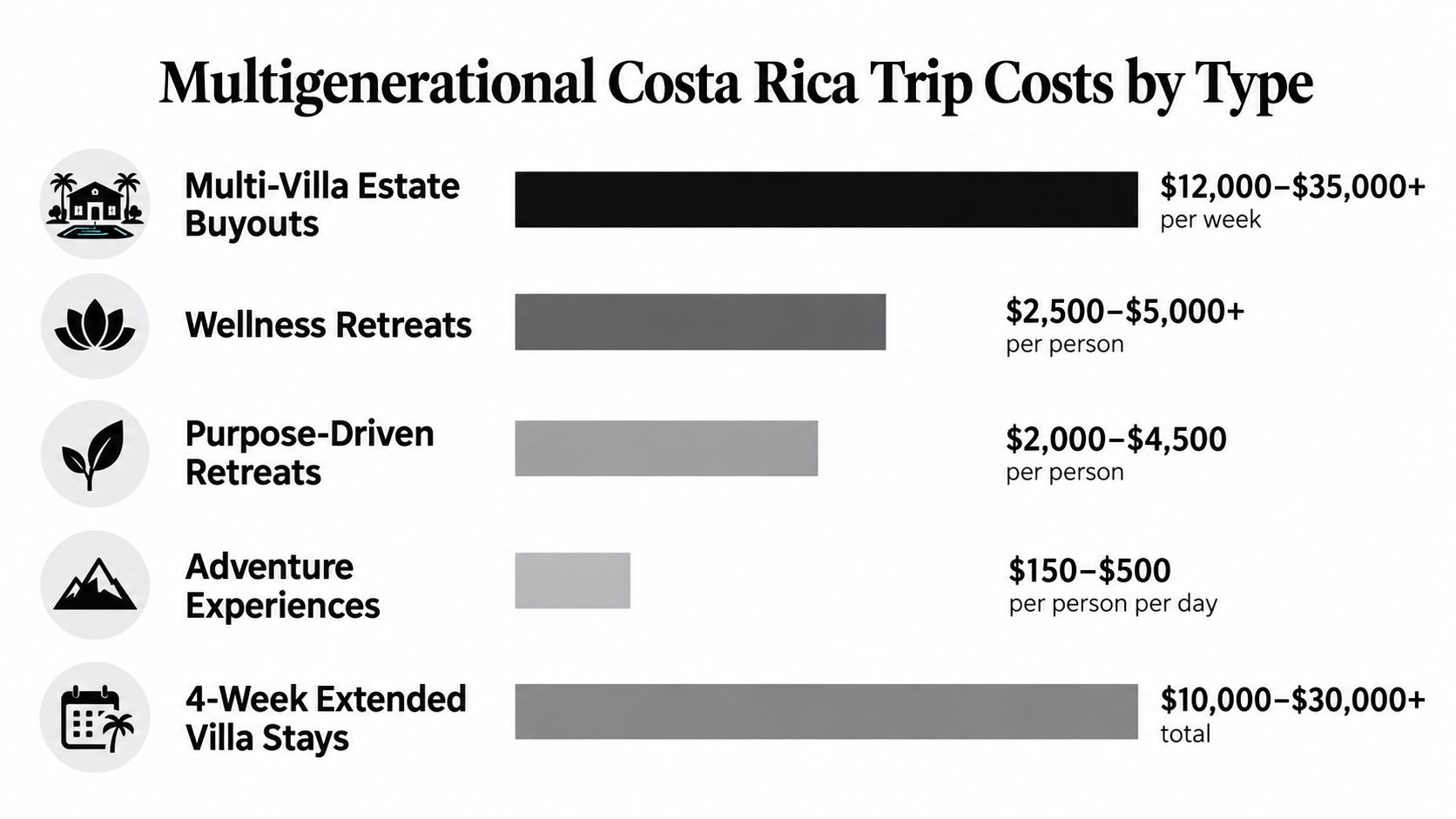
Multi-Villa Estate Buyouts for Complete Family Autonomy | High, coordination of group logistics, payments, and exclusive booking windows; plan 3–12 months | Very high, full-property staffing, catering, concierge; all-inclusive weekly $12k–$35k+ | Strong privacy, autonomy, reduced per-person cost with scale, curated on-demand experiences | Large extended-family reunions, milestone celebrations, private working retreats | ⭐ Maximum personalization and privacy; legacy-driven stays. 💡 Assign one coordinator early. |
Wellness and Restoration Retreats Built Around Multi‑Generational Healing | Medium, requires facilitator vetting and thoughtful program design; 5–7 day minimum | High, expert facilitators, wellness staff, specialized spaces; $2.5k–$5k+/person | Measurable health and reconnection outcomes (sleep/stress improvements), facilitated intergenerational dialogue | Families in transition, multigenerational healing, women's or caregiver retreats | ⭐ Deep emotional work and measurable wellness gains. 💡 Confirm facilitators' family-systems credentials. |
Adventure‑Tiered Experiences Spanning Thrill‑Seeking to Gentle Exploration | Medium–High, simultaneous multi‑track logistics and safety planning; contingency plans for weather | Medium–High, certified guides, specialized equipment, insurance; $150–$500/person/day | Balanced challenge and restoration, enhanced family narratives, photoable legacy moments | Active mixed‑fitness families, milestone celebrations, resilience-building trips | ⭐ Flexible intensity for all ages; safety-led adventure. 💡 Collect pre-trip activity appetite rankings. |
Purpose‑Driven Retreats Combining Family Experience with Conservation or Community Impact | Medium, partner vetting and impact planning required; schedule balance work/leisure | Medium, partnerships with NGOs, bilingual facilitators, modest lodging; $2k–$4.5k/person | Increased stewardship, authentic local relationships, educational impact on children | Families modeling service, philanthropic groups, conservation-minded travelers | ⭐ Meaningful community impact and value-driven bonding. 💡 Vet partners for local leadership and transparent metrics. |
Slow‑Travel, Extended Base Stays (3–4 Weeks) for Deep Integration | Medium, long scheduling window and coordination with work/school; negotiate monthly terms | Medium–High, long-term villa rental, utilities, consistent staff; $10k–$30k+ per 4 weeks | Deep cultural integration, routine formation, language immersion, reduced decision fatigue | Retirees, remote-working families, sabbaticals, creative residencies | ⭐ Genuine presence and family rhythm; cost-per-day savings. 💡 Negotiate monthly rates and confirm inclusions. |
Educational Travel Combining Skill‑Building, Language Learning, and Family Bonding | Medium, curriculum design and multi-track instruction needed; variable duration | Medium, expert instructors, materials, field trips; cost varies by intensity (1–4 weeks) | Tangible skills, language gains, certificates, shared learning memories | Families seeking enrichment, language immersion, culinary or eco-education programs | ⭐ Lasting skill acquisition and structured enrichment. 💡 Choose programs explicitly designed for mixed-age learners. |
Practical Planning & Budget Considerations for Multigenerational Travel | Low–Medium, coordination of logistics and budgets; consolidates other plans | Low–Medium, advisory, planning time; informs cost ranges (see budgets) | Reduced friction, clearer budgets, smoother coordination and accessibility planning | Any family planning multigenerational travel; trip planners and coordinators | ⭐ Actionable guidance that reduces surprises. 💡 Designate a coordinator and build 50% unstructured time. |
Choose the Trip That Lets Everyone Arrive Fully
The right choice depends less on the destination's reputation than on the group's internal shape. A family with older adults, young children, and mixed mobility may need a private estate with short transfers, accessible sleeping arrangements, chef-led meals, and parallel activities. A group processing a major life transition may benefit from a restoration retreat with qualified facilitators and protected decompression time. An adventure-oriented family can choose a tiered itinerary, while a curious group may prefer language, cooking, or conservation.
Start by matching the model to the desired outcome:
Privacy and autonomy: Choose a multi-villa estate when different households need space without losing a shared base.
Restoration: Choose a wellness retreat when burnout recovery, self-care, relationship repair, or a personal reset matters most.
Adventure: Choose tiered experiences when thrill-seekers and gentle explorers need separate tracks.
Purpose: Choose conservation or community travel when shared contribution should shape the trip.
Integration: Choose an extended base stay when the family wants rhythm, local familiarity, and less logistical churn.
Learning: Choose educational travel when a shared skill or subject can bring generations together.
Coordination: Use the planning framework regardless of the format, because rooming, access, payment, and activity choices determine whether the experience feels generous or stressful.
For a three-day stay, keep the design simple. Schedule one shared anchor experience, one easy meal that doesn't require a long transfer, and meaningful recovery time. Avoid using every available hour to compensate for the short duration. People need space to arrive, adjust, and settle into the property.
A seven-day itinerary can hold more variety. Build separate activity tracks for at least some days, include a celebration meal or family ritual, reserve a fully unstructured day, and leave room for weather changes. A week should feel layered, not crowded. If the group is staying longer, protect the first and final days from ambitious commitments.
Before booking, compare the details that shape daily life:
Accommodation layout: Look for separate bedrooms, private bathrooms, adjoining options, and communal spaces that support natural gathering.
Accessibility support: Ask precise questions about steps, surfaces, transfers, bathrooms, vehicles, and emergency response.
Activity flexibility: Confirm what can be skipped, shortened, substituted, or arranged privately.
Meal design: Discuss allergies, children's preferences, local ingredients, dining times, and whether menus can adapt.
Service model: Clarify concierge support, housekeeping, transportation, guides, and communication before arrival.
Inclusions: Separate lodging from park fees, transfers, excursions, gratuities, and special dining.
Safety procedures: Verify outfitter credentials, insurance, weather contingencies, and medical support.
Community benefit: Ask who leads each initiative, who receives financial benefit, and how impact is measured.
For groups of up to 14, VIVARA in Dominical is one relevant option to compare. Its intimate villas connect nature, design, and shared spaces, while adventure or restoration, chef-led dining, and regenerative initiatives can support a family gathering that doesn't require everyone to follow one schedule. Guests can explore activities such as whale watching, canyoning, zip lining, horseback riding, paragliding, sunset cruises, or private air charters according to their own rhythm, while dining is shaped by culinary leaders using farm-fresh, ocean-caught, and jungle-foraged ingredients. Review the full accommodation, service, experience, and pricing details at VIVARA.
The most useful multigenerational vacation ideas don't promise that every relative will want the same holiday. They make room for different bodies, ages, budgets, appetites, and definitions of rest. Costa Rica becomes uniquely compelling when its beaches, forests, food, culture, and conservation experiences are arranged around that reality. The right trip isn't the one with the fullest schedule. It's the one whose design makes privacy, connection, access, and shared purpose possible.
VIVARA offers private, nature-connected villas in Dominical for intimate multigenerational groups, with personalized planning, chef-led dining, and experiences that can shift between restoration and adventure. Visit VIVARA to compare the property with your group's rooming needs, preferred pace, and shared vacation goals.

